
(On the occasion of November 24 — State Flag Day of the Republic of Tajikistan)
Every year on November 24, one of the most significant national celebrations — the Day of the State Flag of the Republic of Tajikistan — is held with great festivity.
Respect for national values, including the State Flag, represents national identity, the strength of the nation and the state, and reverence for historical and cultural traditions.
The State Flag of Tajikistan symbolizes peaceful life, eternal national unity, and hope for a prosperous future. The noble people of Tajikistan, like other nations, deeply honor their State Flag — a cherished symbol of every freedom-loving nation. Under the leadership of the President of the Republic of Tajikistan, His Excellency Emomali Rahmon, the people confidently move forward toward building a just society and further prosperity in an atmosphere of unity and harmony.
The tradition of flag-bearing among Tajiks has ancient roots. It has accompanied statehood for more than 30,000 years — from the eras of the Pishdadians, Cyrus the Great, the Achaemenids (the Kavyani Banner), the Sasanians, Kushans, and Samanids — serving as a unifying symbol of national identity. The meaningful depth of the word “parcham” and its synonyms illustrates the antiquity of Tajik statehood. Words such as bayraq, dirafsh, rōyat, liwā, and parcham indicate that in every historical period, the flag had its own name, form, and symbolic significance.
As the Leader of the Nation, Emomali Rahmon, noted in one of his speeches dedicated to State Flag Day:
“Even the banner of Cyrus the Great bore the image of an eagle — a symbol of strength and power — and that flag represented a mighty state of its time. One can also recall the banner of Kova the Blacksmith, a clear symbol of the struggle and self-sacrifice of our ancestors.”
In all nations of the world, the flag is considered one of the main state symbols. Among the people, it is also known as alam or bayraq. The word “bayraq” is of Turkic origin and means flag, banner, or dirafsh. The special respect shown to the State Flag during the years of Tajikistan’s independence allowed this day to become a national holiday. Today, the flag is one of the most valuable national symbols, raised on a 165-meter flagpole — one of the tallest in the world. Its presence in the sky strengthens national pride and identity.
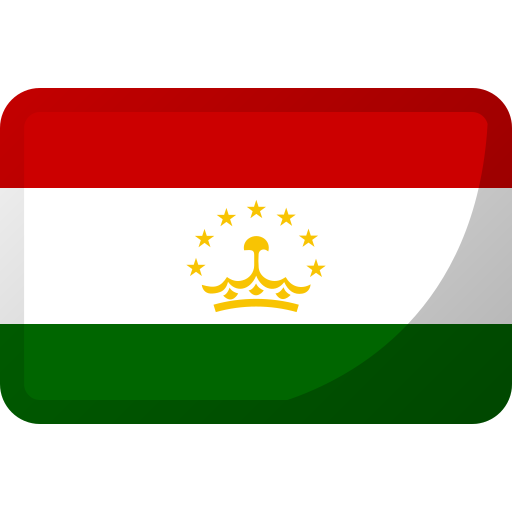
The flag plays a special role in the life of every nation and state. It reflects the goals, aspirations, and ideals of the people. The colors — red, white, and green — symbolize the struggle for freedom and independence, a bright destiny, a peaceful future, and the prosperity of the homeland. The golden crown and seven stars represent sovereignty and statehood. The flag guides us toward peace, dignity, development, and the strengthening of independence.
When Tajik athletes triumph at international competitions and the National Flag of Tajikistan rises above the arena, every patriot feels joy and pride.
Observations show that seeing the respect Tajiks have for their national symbols, representatives of other ethnic groups living in the country also respectfully raise the Tajik flag, expressing solidarity with the people and the state. At new construction sites, embassies, consulates, and international investment projects, the flag of Tajikistan proudly flies alongside the flags of partner nations. Abroad, when a person sees the State Flag of Tajikistan, it feels as if he meets a compatriot — a true son of the Tajik nation. He pauses, pays his respects, and remembers his beloved homeland.
Umeda Abdurashidova, PhD — Head of the Department of Management
and Financial Technologies, Tajik University of Innovations and Digital Technologies

president.tj
maorif.tj
kjv.tj/