(Dedicated to the National Flag Day of the Republic of Tajikistan — November 24)
With the acquisition of state independence and the emergence of a free cultural and political environment, the flag once again rose as a symbol of national statehood.
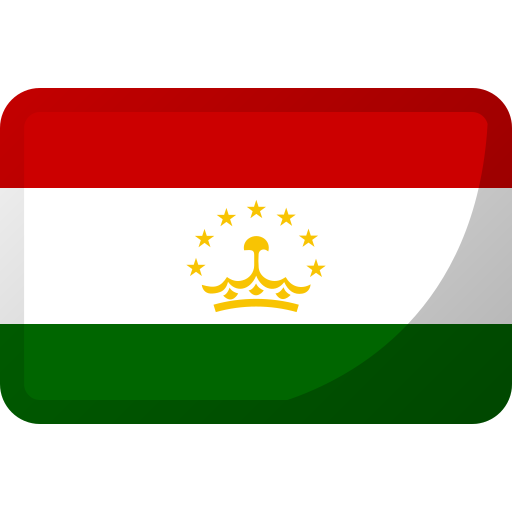
Fortunately, after many centuries, the Tajik people — thanks to independence — regained their national flag, the emblem of an independent and sovereign state. For the first time, the adoption date of the National Flag of Tajikistan was celebrated as a nationwide holiday on November 24, 2009, with great pride in the nation’s statehood and sovereignty.
In the modern world, every independent and sovereign state is represented by its flag. Therefore, respect for the flag means honoring historical, cultural, and spiritual values, as well as respecting the nation, the state, and statehood itself. Alongside the Constitution, the Emblem, and the Anthem, the flag stands among the sacred symbols of the nation.
Lawmakers, considering the recommendations and research of historians and legal scholars, proposed a new design for the State Flag of the Republic of Tajikistan, followed by the approval of a new regulation on the flag. It is noteworthy that the word parcham is of Tajik origin and is enshrined in the Constitution of the country. In the literary legacy of Tajiks and Persians, it appears in the works of Rudaki, Firdawsî, Daqiqî, Unsurî, Saadi, Nasir Khusraw, Nizami Ganjavi, Haqqani, Mawlana Jalaluddin Balkhi, Asadi Tusi, as well as modern Tajik poets such as Loik Sherali, Bozor Sobir, Muhammad Ghoib, and others.
Indeed, the flag has been one of the fundamental symbols of Tajik statehood since ancient times. Historical sources tell us that one of the earliest flag-bearers of our people was Kova the Blacksmith, who rose up against tyranny in pursuit of freedom and independence. For many centuries, the flag was a source of pride and honor for our ancestors and held a distinguished position among state symbols.
The flag-bearers of the Tajik nation included Cyrus the Great, Darius the Great, Ardashir I of the Sasanids, Anushirvan the Just, Tahir ibn Husayn, Ismail Somoni, Surri Ghuri, Amr Saffari, Spitamenes, Dewashtich, Muqanna, Mahmudi Torobi, Abu Muslim Khorasani, Vosei the Brave, and many other noble sons of Tajikistan. Today, this flag — the symbol of Tajik statehood — is held firmly in the hands of the respected Leader of the Nation, President Emomali Rahmon.
To strengthen patriotism, national identity, and reverence for the state symbols among the younger generation, the construction of the monumental Flag Tower began in 2010 in one of the most beautiful parts of the capital. It was inaugurated on the eve of the 20th anniversary of Tajikistan’s independence, and the area was named “Flag Square.”
Anyone who visits the Flag today feels that this symbol embodies independence, unity, honor, dignity, patriotism, and national identity. It reflects the noble aspirations of the Tajik and Persian-speaking peoples in its colors.
Love and respect for the National Flag must reside in the heart of every honorable citizen, guiding them toward strengthening independence, national unity, and safeguarding the achievements of the state. Respecting the National Flag — the emblem of a sovereign Tajik state — is a historical mission, a filial duty, and a civic responsibility.
Loik Sherali rightfully wrote:
May you be the bearer of my name,
May you be my continuation, my message.
I would give my life for you, child of tomorrow,
If you become my successor.
I am fully confident that in the years to come, every honorable and patriotic citizen of the Tajik nation will take pride in the National Flag, honor it as a symbol of statehood, freedom, and independence, and pass on its value and significance to present and future generations.
Shoinov Hasan —
Head of the Center for Culture and Spirituality
University of Innovation and Digital Technologies of Tajikistan

president.tj
maorif.tj
kjv.tj/