
The University of Innovation and Digital Technologies of Tajikistan as a Foundation for the Transition to a Digital Economy
Taking into account the importance and comprehensive significance of digital technologies and the use of artificial intelligence, the Government of the Republic of Tajikistan approved the “Artificial Intelligence Development Strategy in the Republic of Tajikistan until 2040” on September 30, 2022. This document defines the institutional foundations and priority areas for the application of artificial intelligence.
In the modern era, the development of innovation, digital technologies, and artificial intelligence has become one of the key drivers of social progress and the global economy. These processes increase production efficiency and service quality, while fundamentally transforming the nature and content of human activity. Digital technologies enable rapid information exchange and support decision-making based on precise analysis and big data. At the same time, artificial intelligence plays a crucial role in automating complex processes, reducing human error, and improving overall efficiency.
In such conditions, countries that prioritize innovation strengthen their competitiveness in the international arena and create a solid foundation for sustainable socio-economic development. Therefore, investing in new technologies and training highly qualified specialists in this field is of critical importance for ensuring a stable future and effective societal progress.
Considering these factors, it can be noted that today every country in the world needs the development of digital technologies more than ever. Tajikistan, as a developing country, is also taking consistent steps toward advancing this sector and ensuring its effective use in key socio-economic and security areas.
The strategic importance of developing innovation, digital technologies, and artificial intelligence for Tajikistan is reflected in several aspects. In a world where many countries primarily use these advancements for security purposes, applying them to the development of the national economy and social services is especially timely and beneficial.
From an economic perspective, the introduction of modern technologies contributes to the diversification of the national economy, reduces dependence on traditional sectors, and increases labor productivity. The digitalization of various sectors, including public services, banking, and entrepreneurship, enhances transparency and creates a favorable investment climate.
Prominent Western scholars and policymakers also emphasize the importance of these processes. American economist Joseph Stiglitz notes that the modern economy increasingly relies on knowledge and technology, and countries that invest in innovation gain advantages in sustainable development. German professor and founder of the World Economic Forum, Klaus Schwab, within the framework of the “Fourth Industrial Revolution,” emphasizes that digital technologies and artificial intelligence are transforming not only the economy but also social structures and systems of governance.
From a social perspective, the development of digital technologies improves access to information, education, and healthcare, reduces regional inequality, and enhances the standard of living. In the field of security, digital systems play a vital role in strengthening cybersecurity, protecting data, and countering new threats, including cybercrime and information attacks.
Considering these factors, the development of this sector is of vital importance for ensuring stability and sustainable progress in Tajikistan.
At the initiative of the President of the Republic of Tajikistan, Emomali Rahmon, a national strategy for the development of artificial intelligence was adopted, aimed at the widespread implementation of modern technologies across various sectors of the economy.
In this context, a special resolution of the United Nations General Assembly entitled “The Role of Artificial Intelligence in Creating New Opportunities for Sustainable Development in Central Asia” was also adopted at the initiative of Tajikistan.
In his Address to the Majlisi Oli on December 16, 2025, the President of Tajikistan emphasized the need to implement digital technologies and artificial intelligence in public administration and to reduce the influence of the human factor in financial and administrative processes. It was also proposed to establish a National Artificial Intelligence Corporation, a Regional AI Center, and “green data” processing centers.
An analysis of the President’s addresses shows that digitalization has gradually become one of the priority areas of state policy. While earlier emphasis was placed on the development of traditional infrastructure and industry, recent policies recognize the digital economy as a new engine of economic growth.
The digital economy also contributes to reducing regional disparities by ensuring access to services and opportunities in remote areas. For Tajikistan, with its diverse geography, this is particularly significant.
The period of 2025–2030 has been declared a stage for the development of the digital economy and innovation. At the same time, it is emphasized that the success of these sectors depends primarily on the training of qualified personnel.
Human capital is a key factor in digital transformation. Innovation, technology, and artificial intelligence cannot develop without highly qualified specialists. Therefore, investment in education and the development of technological culture is of strategic importance.
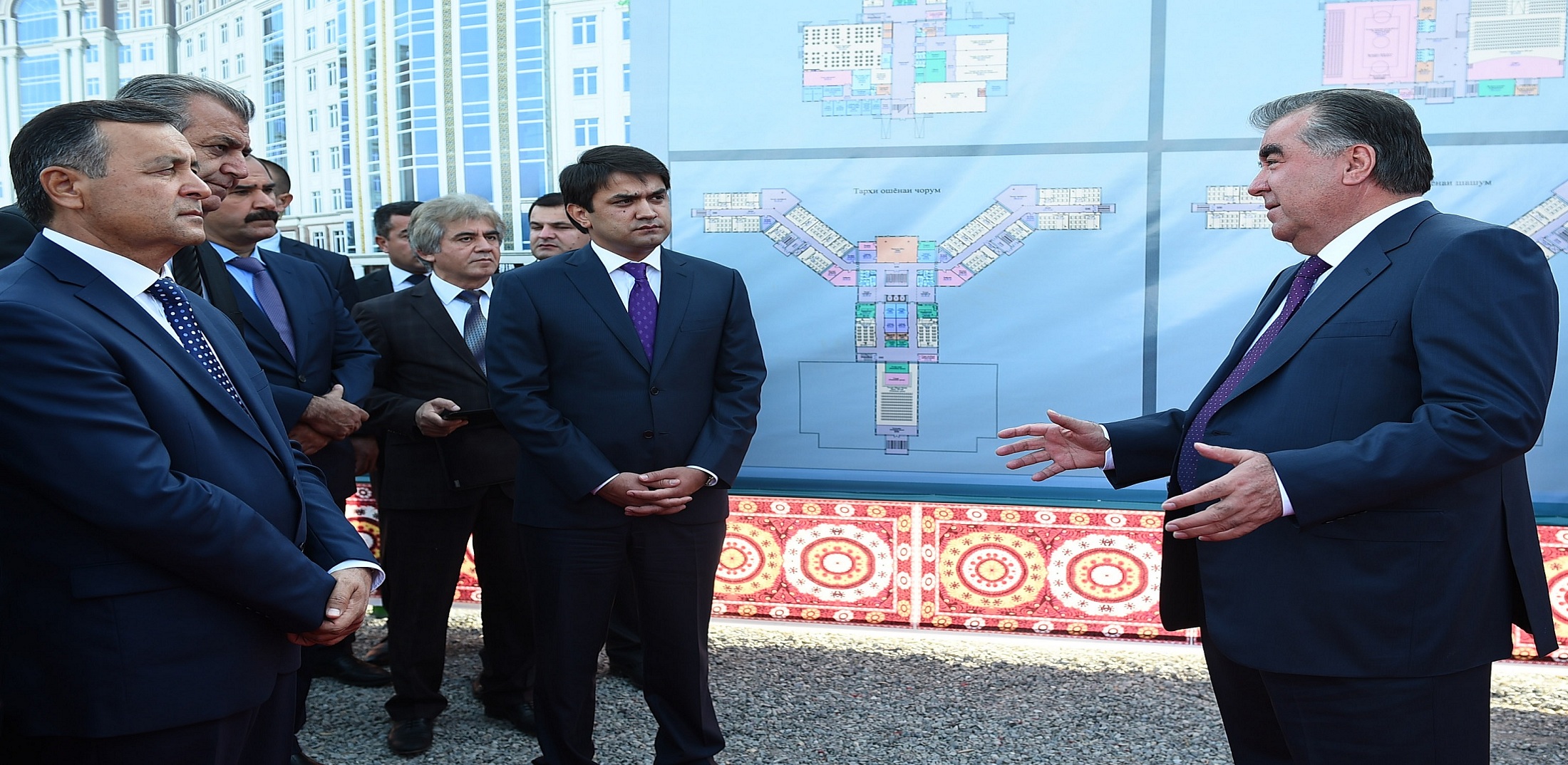
For this purpose, the University of Innovation and Digital Technologies of Tajikistan was established on the basis of the Institute of Technology and Innovation Management in the city of Kulob. According to a government resolution dated May 29, 2025, the university has become the main platform for training specialists in this field.
Currently, the university offers 39 academic programs at the bachelor’s, master’s, and PhD levels across 9 departments, including information technology, artificial intelligence, engineering, digital economy, finance, medical technologies, and foreign languages.
The university employs 218 faculty members, including 8 Doctors of Science and 42 Candidates of Science. The total number of students is about 2,500, of which 497 are studying in fields related to innovation and artificial intelligence.
In its academic and research activities, the university places special emphasis on implementing the AI development strategy, improving digital literacy, modernizing educational programs, expanding internet access, and training specialists capable of applying modern technologies in practice.
In 2025, new specialties were introduced, including cybersecurity and data protection, artificial intelligence and machine learning, AI in medicine, digital economy, blockchain technologies, and others.
The university actively develops international cooperation: faculty members undergo training abroad, and foreign specialists are involved in the educational process.
The Government of Tajikistan continues to support the development of the university’s scientific and technical base. Currently, a project is under consideration to establish three specialized lyceums under the university.
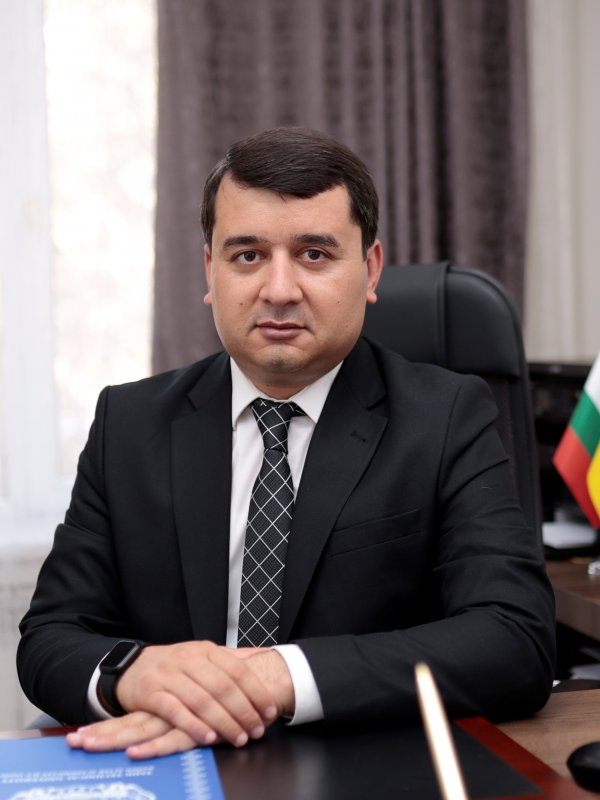
Shahriyor Saidullozoda
Rector of the University of Innovation and Digital Technologies of Tajikistan

president.tj

maorif.tj

kjv.tj/