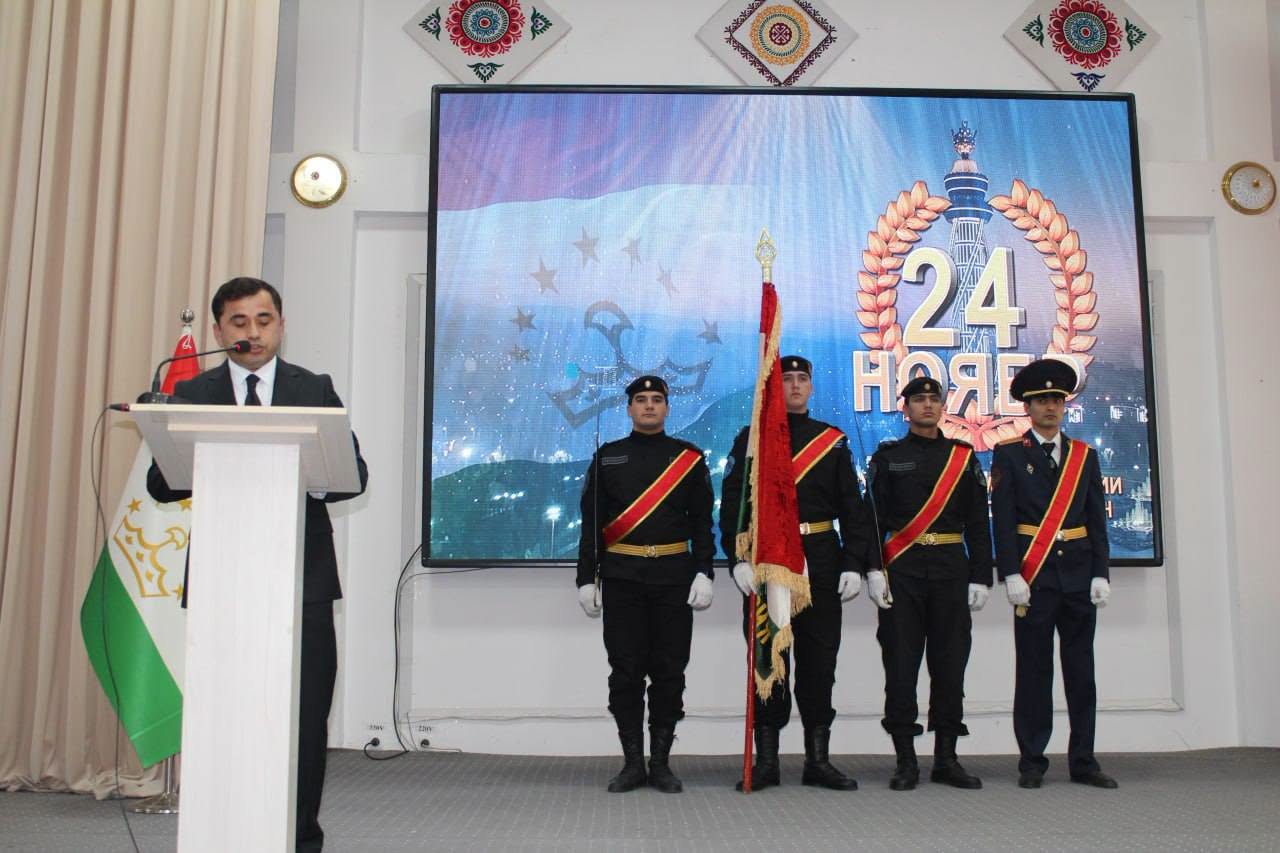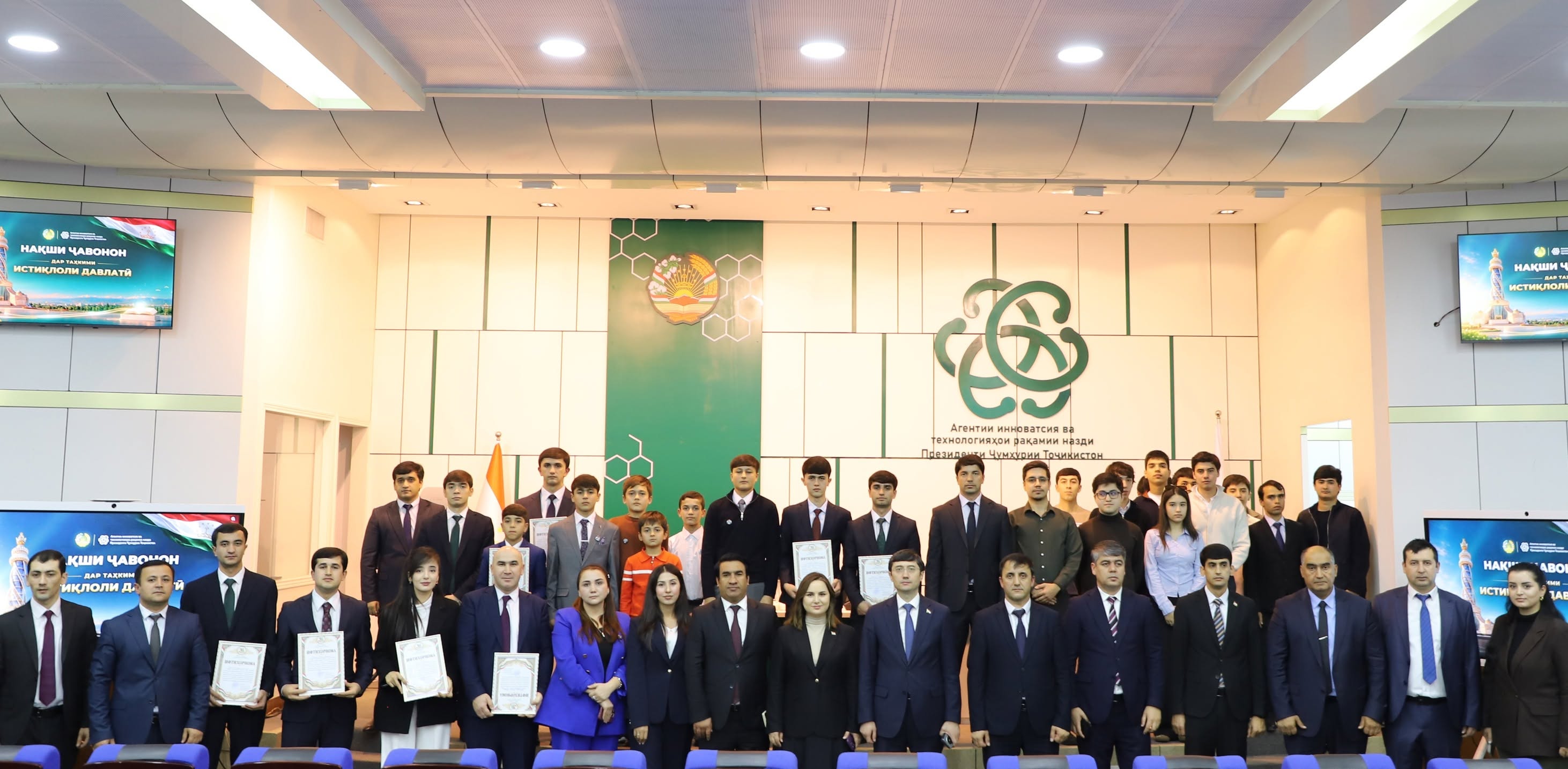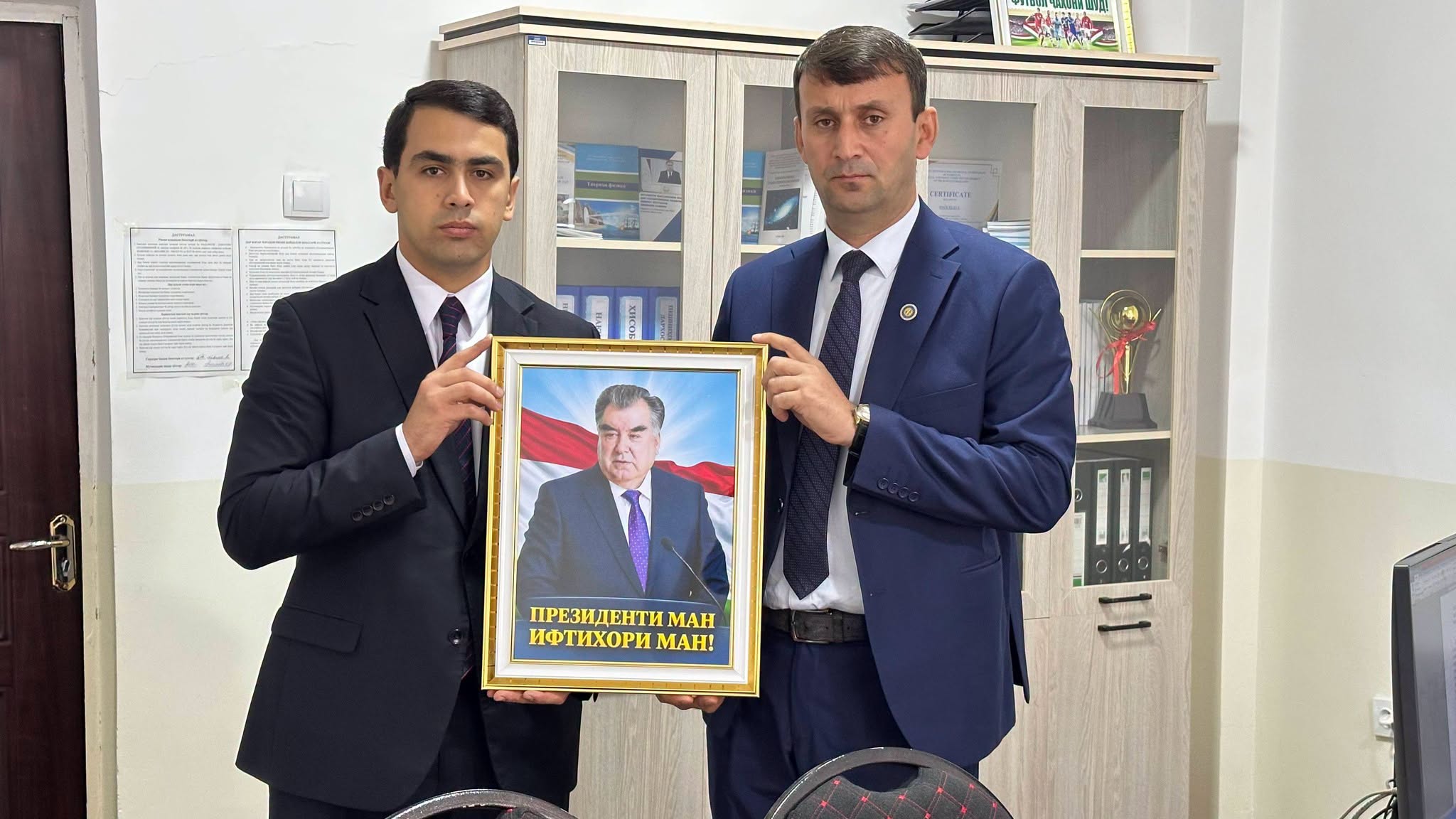

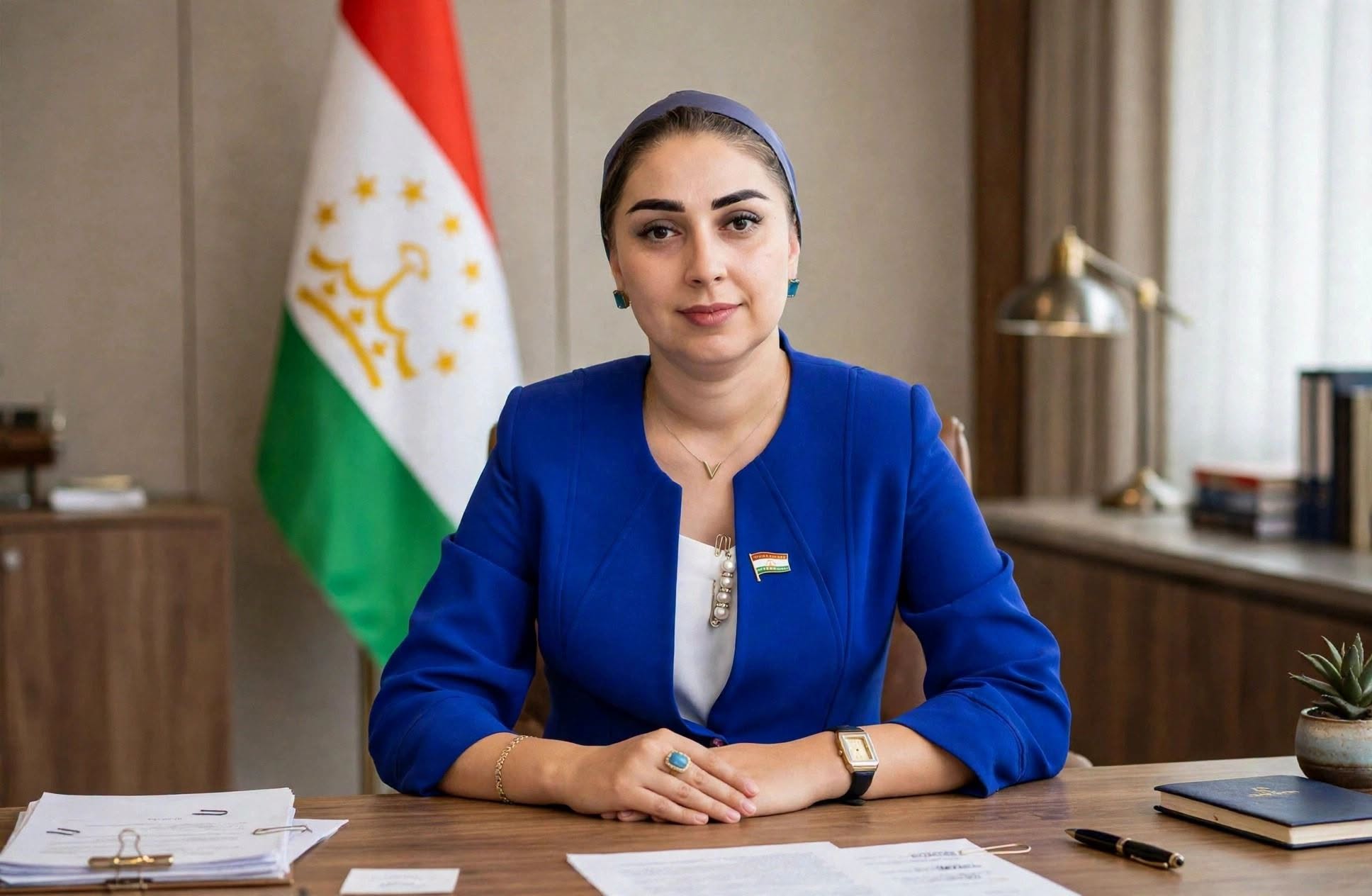
Drawing upon its ancient history and rich cultural heritage, traditions of statehood, respect for national values, and a strong sense of national identity and patriotism, the people of Tajikistan annually celebrate the Day of the President of the Republic of Tajikistan on November 16 with great respect and solemnity.
This date, officially established under the Law of the Republic of Tajikistan "On Public Holidays", is among the country's important national and state commemorations. It symbolizes respect for the institution of the presidency, recognition of the history of modern Tajik statehood, and appreciation of the achievements made during the period of independence.
The celebration of this significant day encourages reflection on the challenging path taken by the state and its people, the value of state independence, the importance of peace and stability, and the role of the country's leadership in strengthening the foundations of national statehood. The history of every nation is shaped by events that determine its future during critical moments and leave important historical lessons for generations to come.
To fully understand the significance of this historic date, it is important to look back at the events of the early years of independence. Following the achievement of state independence, Tajikistan entered a new historical era, gaining the opportunity to independently determine its domestic and foreign policy priorities and establish a national state. Unfortunately, however, a complex political and social situation, internal divisions, and the imposed civil war hindered the country's steady development and placed the foundations of statehood, public security, and national unity under serious threat.
During those difficult years, hundreds of thousands of citizens were forced to leave their homes, the national economy experienced a severe decline, and the functioning of many government institutions was disrupted. Such circumstances demanded exceptional responsibility, strong determination, foresight, and courage from every patriotic citizen, particularly from the country's political leadership.
It was precisely under these challenging and decisive circumstances that the need to establish a stable system of public administration, restore government institutions, safeguard national independence, and unite different segments of society became increasingly urgent.
On November 16, 1994, during a session of the Supreme Council of the Republic of Tajikistan, the inauguration and oath-taking ceremony of the President of the Republic of Tajikistan, Emomali Rahmon, took place. This important event opened a new chapter in the history of modern Tajik statehood and laid the foundation for strengthening the presidential system of governance. From that moment onward, a new stage in the formation and development of the country's constitutional system began. Ensuring peace and stability, restoring government institutions, strengthening national unity, and reviving the national economy became key priorities of state policy.
Taking responsibility for leading the country during one of the most challenging periods in Tajikistan's recent history, Emomali Rahmon directed his efforts and resources towards safeguarding national statehood, ensuring peace and stability, and restoring unity within society. Political determination, an understanding of state governance, a peace-oriented policy, and consistent efforts to unite the people played an important role in the process of restoring peace and stability.
At that decisive moment, the most important task was not merely to restore government institutions, but also to prevent the fragmentation of the nation, preserve the country's territorial integrity, and create favorable conditions for peaceful life. As a result of sustained efforts by the country's leadership and the negotiating parties, the Tajik peace process achieved significant progress. On June 27, 1997, the General Agreement on the Establishment of Peace and National Accord in Tajikistan was signed. This historic document marked the beginning of a new era of peaceful coexistence, mutual understanding, and national solidarity.
Alongside the restoration of peace and stability, strengthening the legal foundations of statehood was another major priority for the country's leadership. The adoption of the Constitution of the Republic of Tajikistan through a nationwide referendum on November 6, 1994, became a landmark event in this regard.
This supreme legal document established the foundations for the development of a sovereign, democratic, law-based, secular, and social state. It defined the fundamental principles governing public institutions, the rights and freedoms of individuals and citizens, as well as the key directions for the development of society. As a fundamental document shaping the nation's future, the Constitution laid a reliable foundation for the development of a modern legal system, strengthening the rule of law, and safeguarding citizens' rights and freedoms.
Today, every citizen should recognize that respect for the Constitution and laws, fulfillment of civic rights and responsibilities, and contribution to strengthening public order are essential expressions of patriotism and civic responsibility.
During the years of independence, the country's leadership pursued initiatives and policies aimed at creating favorable conditions for the development of all sectors of economic and social life. The construction of highways, bridges, tunnels, power plants, educational institutions, medical centers, and other important social and economic facilities has significantly transformed the country's landscape.
The implementation of state programs and national strategies has contributed to infrastructure development, improved living conditions, the creation of new employment opportunities, and the strengthening of the country's economic potential. At the same time, achieving energy independence, overcoming communication isolation, and ensuring food security were identified as the state's strategic priorities, with considerable efforts undertaken to achieve these objectives.
All these developments demonstrate that sustainable national progress depends directly on forward-looking policies, the effective use of available opportunities, and the constructive efforts of all citizens.
The Day of the President of the Republic of Tajikistan provides every citizen with an opportunity to gain a deeper understanding of national statehood, the significant events of the early years of independence, and the achievements of the independence period.
Everyone should recognize that independence, peace, stability, and national unity are not values that emerged automatically. Their achievement and preservation have required considerable effort and sacrifice. Therefore, each of us has a responsibility to contribute to the progress of our beloved homeland through continuous learning, acquiring professional knowledge and skills, respecting the law, making proper use of modern technologies, and actively participating in public life.
Only an educated generation with a strong sense of responsibility and national identity can preserve the achievements of independence and leave behind an even more prosperous and developed Tajikistan for future generations.
Mumina Mahmudзода,
Vice-Rector for Educational Affairs and Social Issues, University of Innovation and Digital Technologies of Tajikistan.