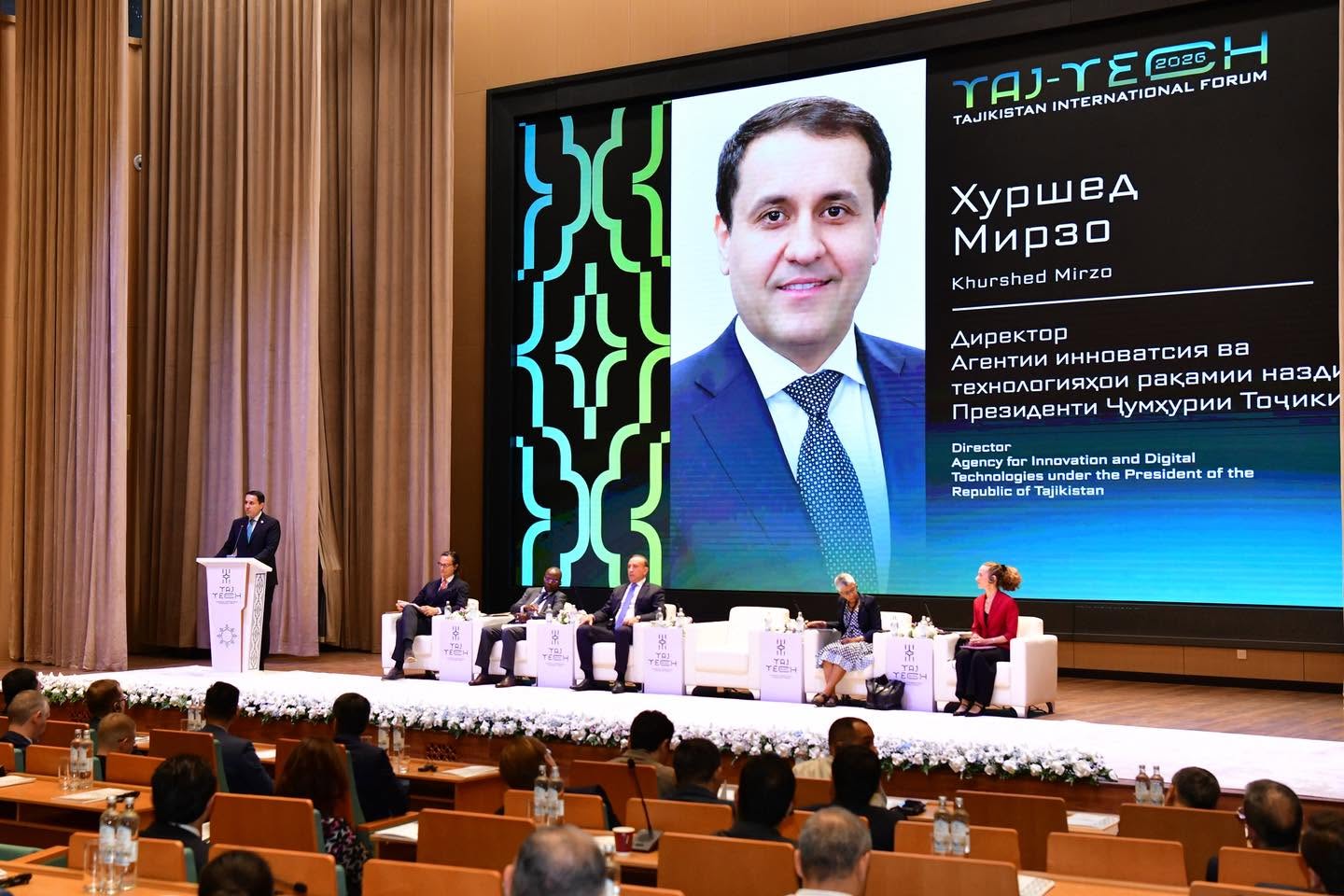

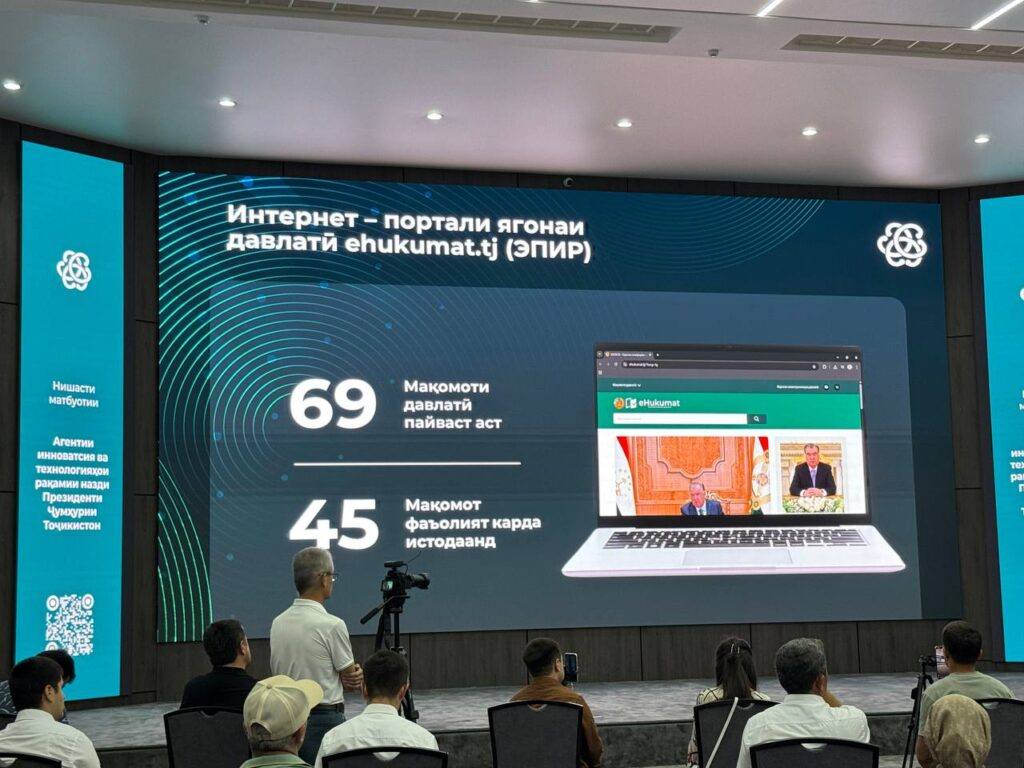
According to Payrav Chorshanbiev (Asia+), the document published in the legal information database of the Ministry of Justice outlines the development of digital infrastructure, digitalization of public services, advancement of artificial intelligence, strengthening of cybersecurity, and the formation of a technological ecosystem in the country.
The program emphasizes that ensuring sustainable development through digital solutions across various sectors is a key factor in enhancing Tajikistan’s competitiveness at the international level.
♦️ Key Areas of the Program
The medium-term program focuses on several important areas:
Development of digital infrastructure.
This includes the expansion of 5G networks, construction of data processing centers, and provision of broadband internet access across the country. Special attention is given to remote areas.
Education and workforce development.
Particular emphasis is placed on training specialists in information technology and the digital economy. New educational programs and professional development centers are planned.
Development of artificial intelligence and digital entrepreneurship.
Widespread implementation of artificial intelligence is planned in sectors such as healthcare, transport, agriculture, and energy. The development of digital entrepreneurship will foster startup growth and create new jobs.
Cybersecurity and data protection.
Ensuring information security and protecting data from cyber threats are key priorities essential for the sustainable development of the digital economy.
♦️ Goals and Objectives
The main goal of the program is to build a digital economy ecosystem that increases productivity, improves quality of life, and expands access to digital services.
Key objectives include:
- strengthening the institutional framework for digital economy development;
- developing infrastructure to improve access to and quality of public services;
- promoting digital entrepreneurship and innovation;
- increasing digital literacy among the population.
♦️ Funding and Monitoring
The program will be financed through the state budget, the private sector, and international partners. The total funding is estimated at approximately 2,366.8 million somoni.
A significant share of the funding is expected to come from international partners. The Agency for Innovation and Digital Technologies of Tajikistan is responsible for implementation, monitoring, and evaluation of the program.
♦️ Expected Results
The implementation of the program is expected to:
- increase the share of the digital economy in GDP;
- improve internet access and introduce 5G technologies;
- establish modern digital platforms for business and public administration;
- develop the startup ecosystem and attract investment.
♦️ Challenges
The program also identifies several challenges, including:
- low levels of digital literacy;
- limited investment resources;
- insufficient coordination among government institutions;
- the need to strengthen cybersecurity at all stages.
Overall, the program is expected to create new opportunities for the development of the economy, education, and public administration, while enhancing efficiency and competitiveness of the national economy.